


Types of Soil and Preparation Garden Soil
Garden soil preparation is the hidden factor that explains why some gardens thrive effortlessly while others struggle despite constant care. The answer often lies beneath the surface, in how well the soil has been understood, conditioned, and maintained. Mastering garden soil preparation—and understanding the different types of soil—is the literal foundation of successful gardening. Whether you are starting a new garden bed, reviving depleted soil, or troubleshooting persistent plant problems, proper garden soil preparation transforms gardening from frustrating guesswork into predictable, repeatable success.

Understanding the Three Main Types of Soil
Before you can begin effective garden soil preparation, you need to identify what type of soil you’re working with. All garden soils consist of three primary components—sand, silt, and clay—in varying proportions. The ratio of these components determines your soil’s texture, drainage characteristics, and how you’ll need to amend it.
Sandy soil feels gritty and coarse when rubbed between your fingers. Individual particles are large enough to see easily. When you squeeze a handful of moist sandy soil, it falls apart immediately rather than holding together. This soil type drains quickly—often too quickly—allowing water and nutrients to wash through before plant roots can absorb them. Sandy soil warms up quickly in spring, giving you an earlier start to the growing season. However, it requires frequent watering and fertilizing because it can’t retain either moisture or nutrients effectively.
Clay soil feels smooth, sticky, and almost slippery when wet. It forms a tight ball when squeezed and holds that shape firmly. Individual clay particles are microscopic, packing together tightly and leaving little space for air or water movement. Clay soil drains slowly and can become waterlogged, suffocating plant roots. When it dries out, it becomes rock-hard and can crack. Working clay soil is challenging—it’s too wet and sticky in spring, then too hard in summer. However, clay is naturally rich in nutrients and holds onto both water and fertilizer well once you improve its structure through proper garden soil preparation.
Silt soil has a texture between sand and clay, feeling smooth and slightly soapy when wet but not as sticky as clay. It holds moisture better than sand but drains better than clay. Silt is naturally fertile and easier to work than clay. However, it can compact under heavy rain or foot traffic and may form a crust on the surface that prevents water penetration and seedling emergence.
The ideal garden soil, called loam, contains balanced proportions of sand, silt, and clay—roughly forty percent sand, forty percent silt, and twenty percent clay. Loam crumbles easily, holds moisture without becoming waterlogged, drains adequately without drying out too quickly, and retains nutrients effectively. It’s easy to work and provides excellent conditions for plant roots. Most gardeners don’t naturally have loam, but proper garden soil preparation can transform any soil type toward this ideal balance.
Testing Your Garden Soil
Effective garden soil preparation begins with understanding your starting point. Simple home tests reveal important information about your soil’s characteristics and needs.
The jar test identifies your soil’s texture. Fill a clear jar one-third full with soil, removing any rocks or organic debris. Add water until the jar is nearly full, then add a drop of dish soap. Seal the jar and shake vigorously for several minutes until all soil is suspended in water. Set the jar down and watch what happens. Sand settles to the bottom within minutes. Silt settles over the next few hours, forming a layer above the sand. Clay remains suspended for days, eventually settling as the top layer. After twenty-four hours, measure the thickness of each layer. The proportions tell you your soil type—if sand dominates, you have sandy soil; if clay is thickest, you have clay soil; if layers are relatively balanced, you’re closer to loam.
The squeeze test provides quick field assessment. Grab a handful of moist soil and squeeze it firmly. Open your hand and observe what happens. Sandy soil falls apart immediately and won’t hold any shape. Clay soil forms a tight ball that holds together firmly even when poked. Loam forms a ball that holds shape but crumbles easily when disturbed. This simple test takes seconds and helps you understand what you’re working with before beginning garden soil preparation.
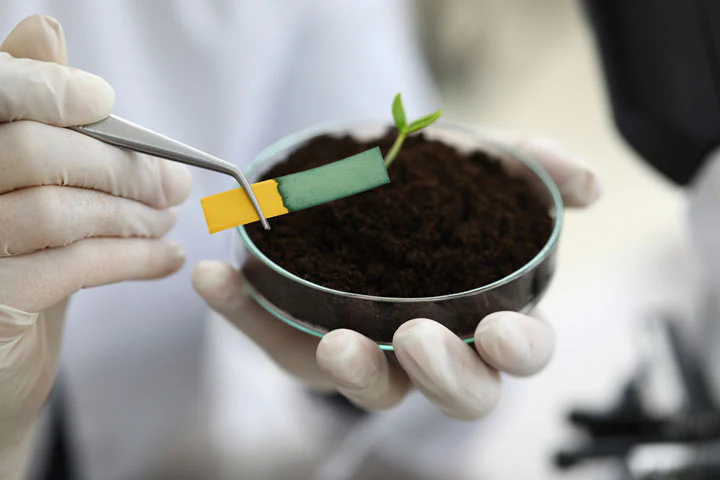
Soil pH testing is crucial because pH affects nutrient availability to plants. Most vegetables and flowers prefer pH between 6.0 and 7.0, slightly acidic to neutral. Home test kits from garden centers provide basic pH information. For more detailed analysis including nutrient levels, send soil samples to your local agricultural extension office. They’ll test for pH, nitrogen, phosphorus, potassium, and other nutrients, providing specific recommendations for amendments. This professional testing is particularly valuable when establishing new gardens or troubleshooting persistent problems.
Drainage testing reveals whether your soil drains adequately. Dig a hole twelve inches deep and wide. Fill it with water and let it drain completely. Fill it again and measure how long it takes to drain. Soil that drains in four to six hours has good drainage. If water remains after twelve hours, drainage is poor and will cause problems for most plants. Excellent drainage where water disappears in less than three hours suggests sandy soil that may dry out too quickly.
Garden Soil Preparation: Improving Sandy Soil
Sandy soil presents specific challenges that targeted garden soil preparation addresses effectively. The primary goal is increasing the soil’s ability to retain water and nutrients without destroying its excellent drainage and workability.
Organic matter is the key to improving sandy soil. Compost, aged manure, leaf mold, peat moss, and other organic materials dramatically increase water and nutrient retention. These materials act like sponges in the soil, holding moisture and nutrients that would otherwise wash away. Spread organic matter three to four inches thick over sandy soil and work it into the top eight to twelve inches. This seems like a lot, but sandy soil needs substantial amendment to make a real difference.
The type of organic matter matters. Compost provides balanced improvement in structure and nutrients. Aged manure adds nutrients along with organic matter but should be well-composted to avoid burning plants with excess nitrogen. Peat moss increases water retention significantly but adds no nutrients and is somewhat controversial due to environmental concerns about peat harvesting. Coconut coir provides similar water retention to peat moss with better sustainability. For best results, combine different organic materials during garden soil preparation.
Cover crops or green manures improve sandy soil over time. Plant buckwheat, annual rye, or clover in late summer or fall. Till these plants into the soil in spring before planting. As they decompose, they add organic matter throughout the soil profile while their roots create channels that improve structure. This technique requires planning ahead but provides excellent long-term soil improvement.
Mulching sandy soil helps tremendously. A three to four inch layer of organic mulch on the soil surface reduces evaporation, moderates soil temperature, and gradually adds organic matter as it decomposes. Replenish mulch annually as it breaks down. Over several years, this consistent mulching significantly improves the soil underneath without requiring annual deep amendments.
Garden Soil Preparation: Improving Clay Soil
Clay soil improvement through proper garden soil preparation focuses on creating space between tightly packed particles, allowing better drainage and air circulation while maintaining clay’s natural fertility.
Organic matter is equally important for clay soil but works differently than in sandy soil. Rather than acting as sponges, organic materials physically separate clay particles, creating larger pore spaces. This improves drainage, aeration, and workability. Spread organic matter two to four inches thick over clay soil and incorporate it thoroughly. Don’t just till it into the surface—work it deeply to improve the entire root zone.
Coarse materials work particularly well in clay. Composted bark, aged wood chips, and leaf compost add structure along with organic matter. These materials take longer to decompose than finely textured compost, providing longer-lasting structural improvement. Avoid peat moss in clay soil—its fine texture doesn’t create adequate pore space and can actually make drainage worse.
Gypsum helps clay soil structure in specific situations. If your clay soil is high in sodium (common in some regions), gypsum chemically helps clay particles bind together into larger aggregates, improving drainage and workability. However, gypsum doesn’t help clay soil that isn’t sodium-affected. Soil testing reveals whether gypsum will benefit your particular clay soil before you invest in this amendment during garden soil preparation.
Never work clay soil when it’s too wet or too dry. Working wet clay creates massive clods that harden into concrete-like chunks, making soil nearly impossible to work for years. Clay is ready to work when it’s moist enough to form a ball but dry enough that the ball crumbles easily when poked. This narrow window requires patience. If you must garden on clay before it’s workable, use raised beds with imported soil rather than trying to force the clay.
Sand seems like an obvious amendment for clay, but it rarely works as expected. You need enormous quantities—at least one-third sand by volume—to make any difference, and even then, the mixture can actually become harder and worse than pure clay unless you also add substantial organic matter. Focus on organic amendments rather than sand for effective garden soil preparation of clay soils.
The Role of Organic Matter in Garden Soil Preparation
Regardless of your soil type, organic matter is the universal soil improver. Understanding different sources and their benefits allows you to choose the best materials for your garden soil preparation needs.
Compost is the gold standard of soil amendments. Well-made compost improves soil structure, adds nutrients, introduces beneficial microorganisms, and increases moisture retention without causing drainage problems. It works equally well in sandy and clay soils. You can make compost from kitchen scraps, yard waste, and other organic materials, or purchase it from garden centers. Quality compost smells earthy and pleasant, has a dark brown to black color, and crumbles easily. Incorporate compost into soil at any time, though spring and fall are ideal for major garden soil preparation efforts.
Aged manure provides both organic matter and nutrients, particularly nitrogen. Horse, cow, chicken, and rabbit manure all work well once properly aged or composted. Fresh manure can burn plants and may contain weed seeds, so always use well-aged manure that has decomposed for at least six months. Chicken manure is highest in nutrients but must be aged thoroughly. Incorporate manure into soil several weeks before planting to allow further breakdown and nutrient integration.
Leaf mold is simply decomposed leaves—free, abundant, and excellent for soil improvement. Leaves break down slowly, creating long-lasting soil structure improvement. Shred leaves before incorporating them to speed decomposition. Alternatively, use shredded leaves as mulch and let them decompose in place, working them into soil the following season during garden soil preparation.
Mushroom compost, a byproduct of mushroom farming, contains composted straw, manure, and other organic materials. It’s typically high in nutrients and well-decomposed, making it excellent for immediate use. However, it can be alkaline and may contain soluble salts, so use it as one component of your soil improvement program rather than the only amendment.
Cover crops, also called green manures, are plants grown specifically to be tilled into soil. Buckwheat, annual rye, clover, and vetch all add organic matter while their roots break up compacted soil and improve structure. Some cover crops, particularly legumes, fix nitrogen from the air, enriching soil as they grow. This technique requires advance planning—you must grow the crop before tilling it in—but provides excellent soil improvement at minimal cost.
pH Adjustment During Garden Soil Preparation
Soil pH affects nutrient availability to plants, making pH adjustment an important aspect of garden soil preparation for some gardens. Most vegetables and flowers thrive in slightly acidic to neutral soil with pH between 6.0 and 7.0, though specific plants have different preferences.
Testing pH before adjusting is essential. Don’t add amendments blindly—you might make problems worse. Inexpensive home test kits provide adequate accuracy for most gardening purposes, or send samples to your extension office for precise results.
Raising pH in acidic soil requires adding alkaline materials. Garden lime, also called agricultural lime, is the most common choice. It’s inexpensive and effective but takes several months to alter pH significantly. Apply lime in fall so it has time to work before spring planting. The amount needed depends on your current pH, target pH, and soil type—clay requires more lime than sandy soil to achieve the same pH change. Soil test results typically include lime recommendations.
Wood ash raises pH quickly but contains significant potassium, so use it sparingly. It works faster than lime but can easily overdo the adjustment. Never apply more than twenty pounds per thousand square feet annually, and always incorporate it into soil rather than leaving it on the surface.
Lowering pH in alkaline soil proves more challenging than raising it. Sulfur is the most effective amendment for long-term pH reduction. Like lime, sulfur works slowly—expect several months before seeing significant changes. Elemental sulfur is most economical, while aluminum sulfate works faster but can be harmful if overused. Apply sulfur or aluminum sulfate in fall when possible, incorporating it thoroughly during garden soil preparation.
Organic matter gradually lowers pH over time as it decomposes, making it beneficial for alkaline soils. Peat moss is particularly acidic and useful for acid-loving plants like blueberries and azaleas. However, don’t rely solely on organic matter for significant pH adjustment—use sulfur for major corrections.
Some plants naturally prefer conditions outside the typical range. Blueberries need acidic soil between 4.5 and 5.5 pH. Lavender prefers alkaline soil. Rather than fighting to change your entire garden’s pH during garden soil preparation, consider growing pH-particular plants in containers with customized soil, or creating dedicated beds with adjusted pH for these special plants.
Building New Garden Beds with Proper Garden Soil Preparation
Creating new garden beds from lawn or uncultivated ground requires thorough garden soil preparation for long-term success. The extra effort invested initially pays dividends for years.
Remove existing vegetation first. For lawn areas, you can strip sod with a flat spade, creating removable sections. This is labor-intensive but gives you immediate access to soil underneath. Alternatively, use the sheet mulching or lasagna gardening method. Cover the area with cardboard or several layers of newspaper, then pile six to eight inches of compost, aged manure, and other organic materials on top. Plant directly into this layered system. The cardboard smothers existing vegetation while organic layers provide excellent growing medium. Over time, everything decomposes together, creating outstanding soil.
Tilling seems like an easy solution but has drawbacks. It can bring weed seeds to the surface, damage soil structure, and kill beneficial organisms. If you do till, add substantial organic matter first—at least two inches spread over the surface—so you’re incorporating it throughout the soil rather than just mixing up existing soil. Till when soil is properly moist, never when too wet or completely dry.
Double-digging creates deeply prepared soil ideal for root vegetables and perennials. Remove soil from the top twelve inches of a trench across your bed and set it aside. Loosen the bottom twelve inches with a garden fork, adding organic matter as you work. Move to the adjacent area, placing its top soil into the first trench while incorporating organic matter. Continue across the bed. Use the reserved soil from the first trench to fill the last one. This intensive garden soil preparation technique is labor-intensive but creates extraordinarily good soil conditions.
Raised beds offer an alternative to extensive soil preparation, particularly valuable over clay, compacted soil, or contaminated ground. Build frames eight to twelve inches tall and fill them with quality topsoil mixed with substantial compost. The increased soil depth, improved drainage, and controlled soil quality make raised beds incredibly productive. They warm up earlier in spring and make gardening easier on your back. This approach to garden soil preparation works well when your existing soil is simply too problematic to improve economically.
Maintaining Improved Soil Over Time
Garden soil preparation isn’t a one-time task—soil needs ongoing maintenance to stay healthy and productive. However, annual maintenance is far less intensive than initial improvement.
Add organic matter regularly. Each year, spread one to two inches of compost over garden beds and work it into the top few inches of soil, or apply it as mulch and let it decompose in place. This annual addition maintains organic matter levels because microorganisms constantly break down existing organic material. Think of it as feeding your soil rather than just feeding your plants.
Practice crop rotation in vegetable gardens. Different plants affect soil differently—heavy feeders deplete nutrients while legumes add nitrogen. Rotating plant families through different beds each year prevents nutrient depletion and reduces pest and disease buildup. This cultural practice supports the improved soil you’ve created through garden soil preparation.
Avoid over-tilling. While some soil disturbance is necessary when planting and amending, excessive tilling destroys soil structure, kills beneficial organisms, and brings weed seeds to the surface. No-till or minimal-till approaches maintain the soil improvements you’ve worked to create. Use a broadfork to loosen soil without inverting layers, or simply add amendments to the surface and let earthworms and other soil life incorporate them naturally.
Test soil every few years to monitor pH and nutrient levels. Soil conditions change over time based on what you grow, what amendments you add, and how you manage the garden. Regular testing ensures you’re addressing actual needs rather than guessing. This ongoing monitoring allows you to fine-tune your garden soil preparation and maintenance for optimal plant health.
Cover crops during off-seasons protect and improve soil simultaneously. Instead of leaving beds bare over winter, plant cover crops in fall. They prevent erosion, suppress weeds, add organic matter when tilled in spring, and some fix nitrogen. This technique turns idle time into active soil improvement, maximizing the benefits of your initial garden soil preparation efforts.
Conclusion
Understanding soil types and mastering garden soil preparation transforms gardening from frustrating struggle to predictable success. Whether you’re working with challenging clay, thirsty sand, or something in between, targeted amendments and proper techniques create the foundation for thriving plants. The time and effort invested in proper garden soil preparation pays enormous dividends in healthier plants, better harvests, and easier maintenance for years to come. Start improving your soil today, and discover that the secret to a great garden really does lie in what’s beneath the surface!