

Organic Home Gardening: Your Essential Starter Guide
Imagine stepping into your backyard or balcony and picking fresh, pesticide-free vegetables for tonight’s dinner. Home organic gardening isn’t just a trend—it’s a lifestyle choice that connects you with your food, saves money, and guarantees the highest quality produce for your family. Whether you have a spacious yard or just a small balcony, you can start growing your own organic food today.

🌿 Why Start an Organic Home Gardening Project?
The benefits of growing your own organic food extend far beyond the dinner table. When you cultivate your own vegetables and herbs, you have complete control over what goes into your food. There are no synthetic pesticides, no chemical fertilizers, and no mystery ingredients—just pure, nutritious produce that you’ve nurtured from seed to harvest.
The financial advantages are equally compelling. A single seed packet costing just a few dollars can produce pounds of vegetables throughout the growing season. Perennial herbs and vegetables return year after year, and you can create your own compost from kitchen scraps, dramatically reducing waste while eliminating the need for expensive fertilizers.
From an environmental perspective, homegrown food has zero food miles, requires no plastic packaging, and supports local biodiversity. Your organic garden becomes a haven for pollinators and beneficial insects while reducing your carbon footprint. Beyond these practical benefits, gardening offers profound mental and physical wellness advantages. The therapeutic connection with nature, combined with light physical exercise, reduces stress and provides a deep sense of accomplishment.
Planning Your Organic Garden
Assessing Your Space
For Yards and Gardens
- Minimum 6-8 hours of sunlight for most vegetables
- Access to water source
- Level ground or terraced beds
- Protection from strong winds
- Good drainage
For Small Spaces and Balconies
- Container gardening possibilities
- Vertical growing options
- Succession planting in limited space
- Dwarf and compact varieties
- Creative use of hanging planters and wall-mounted systems
Choosing What to Grow
Best Vegetables for Beginners
- Tomatoes: High yield and incredibly flavorful when homegrown
- Lettuce and leafy greens: Fast-growing and continuous harvest
- Radishes: Ready in just 3-4 weeks
- Zucchini: Prolific producer
- Bush beans: No support needed and abundant harvest
- Cucumbers: Great for containers and small spaces
- Peppers: Long harvest season
Essential Herbs
- Basil: Perfect companion for tomatoes
- Parsley: Biennial that produces for two seasons
- Cilantro: Quick growing and self-seeding
- Thyme: Perennial requiring minimal care
- Rosemary: Drought-tolerant once established
- Mint: Vigorous grower (contain in pots)
Space-Saving Options
- Cherry tomatoes in hanging baskets
- Climbing beans on trellises
- Lettuce in window boxes
- Herbs in vertical planters
- Strawberries in tower gardens
Building Healthy Organic Soil
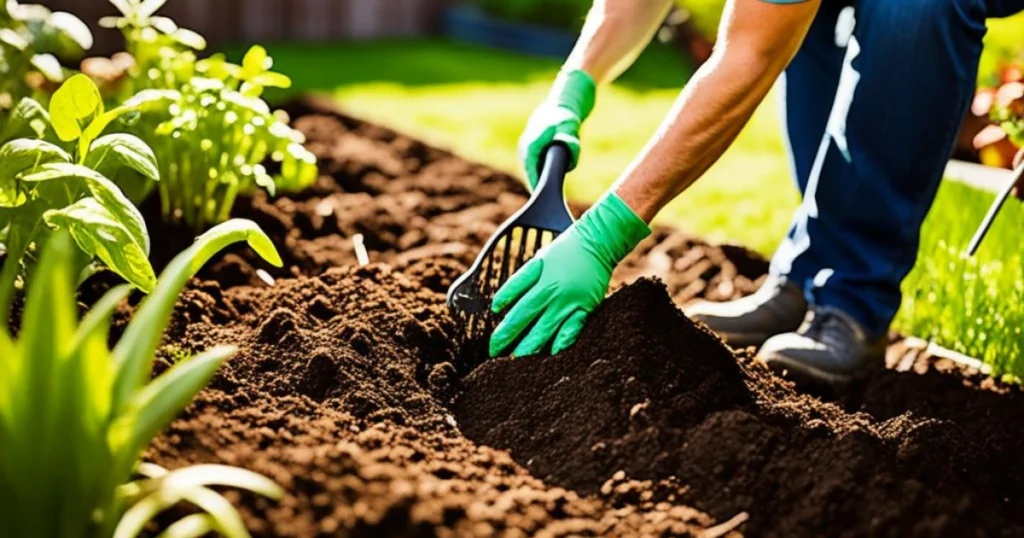
Healthy soil forms the foundation of any successful organic garden. Think of soil as a living ecosystem rather than just dirt. Before planting, it’s wise to test your soil’s pH level—most vegetables prefer a range between 6.0 and 7.0. Testing also reveals nutrient deficiencies and helps you understand your soil’s texture and drainage characteristics.
Creating living soil begins with composting. Kitchen scraps like vegetable peelings, coffee grounds, and eggshells combine with brown materials such as dried leaves, cardboard, and newspaper to create nutrient-rich compost. The process requires proper moisture and regular turning for aeration, with finished compost typically ready in two to six months. This black gold improves soil structure, adds essential nutrients, and introduces beneficial microorganisms.
Natural soil amendments enhance your garden’s productivity. Compost improves structure and adds nutrients gradually. Worm castings provide concentrated nutrition in a gentle form that won’t burn plants. Aged manure offers high nitrogen content for leafy growth, while bone meal supplies phosphorus for strong root development. Kelp meal contributes trace minerals and natural growth hormones.
Many gardeners find that raised beds offer significant advantages for organic growing. The improved drainage and ability to control soil quality make organic practices easier to maintain. Raised beds warm up earlier in spring, allowing for earlier planting, and they reduce back strain during maintenance. The clear boundaries help with garden organization and make it easier to implement crop rotation.
Organic Pest and Disease Management
The key to organic pest control is prevention and balance:
Companion Planting
Strategic plant combinations that benefit each other:
- Tomatoes + Basil: Repels pests and improves flavor
- Carrots + Onions: Confuses carrot fly
- Beans + Corn: Beans fix nitrogen for corn
- Marigolds + Everything: Natural pest deterrent
- Nasturtiums: Trap crop for aphids
Natural Pest Control Methods
Physical Barriers
- Row covers for protection from insects
- Copper tape for slugs and snails
- Netting for birds
- Collars around seedlings for cutworms
Beneficial Insects
- Ladybugs for aphid control
- Praying mantises for general pest management
- Lacewings for soft-bodied pests
- Ground beetles for caterpillars and slugs
Organic Sprays and Solutions
- Neem oil for various pests and fungal issues
- Insecticidal soap for soft-bodied insects
- Diatomaceous earth for crawling pests
- Garlic spray as general deterrent
- Bacillus thuringiensis (Bt) for caterpillars
Watering and Irrigation
Proper watering is crucial for organic garden success:
Best Practices
- Water deeply and less frequently
- Water in early morning to reduce disease
- Direct water to soil, not foliage
- Use mulch to retain moisture
- Adjust for weather and season
Water-Saving Techniques
- Drip irrigation systems
- Soaker hoses
- Ollas (buried clay pots)
- Rain barrel collection
- Mulching heavily (2-4 inches)
Maintaining Your Organic Garden
Weekly Tasks
- Harvest ready produce
- Check for pests and diseases
- Water as needed
- Weed regularly
- Add mulch where needed
Monthly Tasks
- Apply compost or organic fertilizer
- Prune and train plants
- Start new succession plantings
- Monitor soil moisture and adjust irrigation
- Clean and maintain tools
Seasonal Preparations
Spring
- Prepare beds and add compost
- Start seeds indoors
- Plant cool-season crops
- Set up trellises and supports
Summer
- Mulch heavily to conserve water
- Harvest regularly to encourage production
- Plant fall crops
- Monitor for heat stress
Fall
- Plant garlic and cover crops
- Harvest and preserve abundance
- Clean up spent plants
- Add compost to beds
Winter
- Plan next year’s garden
- Order seeds
- Maintain compost
- Build or repair structures
Preserving Your Harvest
One of the greatest joys of organic gardening is enjoying your harvest year-round. Freezing vegetables after blanching preserves their nutrition and flavor beautifully. Canning allows you to put up tomato sauces, pickles, and preserves that capture summer’s essence. Dehydrating works wonderfully for herbs, tomatoes, and peppers. Fermentation creates nutrient-rich foods like sauerkraut and kimchi. Root cellaring stores hardy vegetables like potatoes, carrots, and winter squash for months without any processing.
Container Organic Gardening
Perfect for apartments, balconies, and small spaces:
Container Requirements
- Minimum 5-gallon size for most vegetables
- Excellent drainage holes
- Quality organic potting mix
- Regular fertilization (nutrients leach faster)
- Consistent watering
Best Crops for Containers
- Cherry tomatoes
- Peppers
- Lettuce and greens
- Herbs
- Radishes
- Bush cucumbers
- Dwarf varieties of any vegetable
Conclusion
Home organic gardening is one of the most rewarding activities you can undertake. It provides fresh, nutritious food, reduces your environmental impact, saves money, and offers countless hours of therapeutic outdoor time. Whether you’re growing a single tomato plant in a pot or cultivating a full backyard garden, the principles of organic gardening ensure healthy plants, healthy soil, and healthy food for you and your family.
Start your organic gardening journey today and experience the unmatched flavor and satisfaction of food you’ve grown yourself!